 |
 |
Julie Derby |
 |
|
 |
 |
|
Science Lesson
Poppin'
Inquiry Date: 10-5-06 Estimated Time: 60min Teacher: Julie Derby Lesson Objectives: As a result of this activity students will: - gain an understanding of inquiry - know the steps to inquiry - understand how to start an experience OPS Standards: 601. Examine problems using scientific inquiry. 602. Integrate unifying concepts and processes in science experiences.
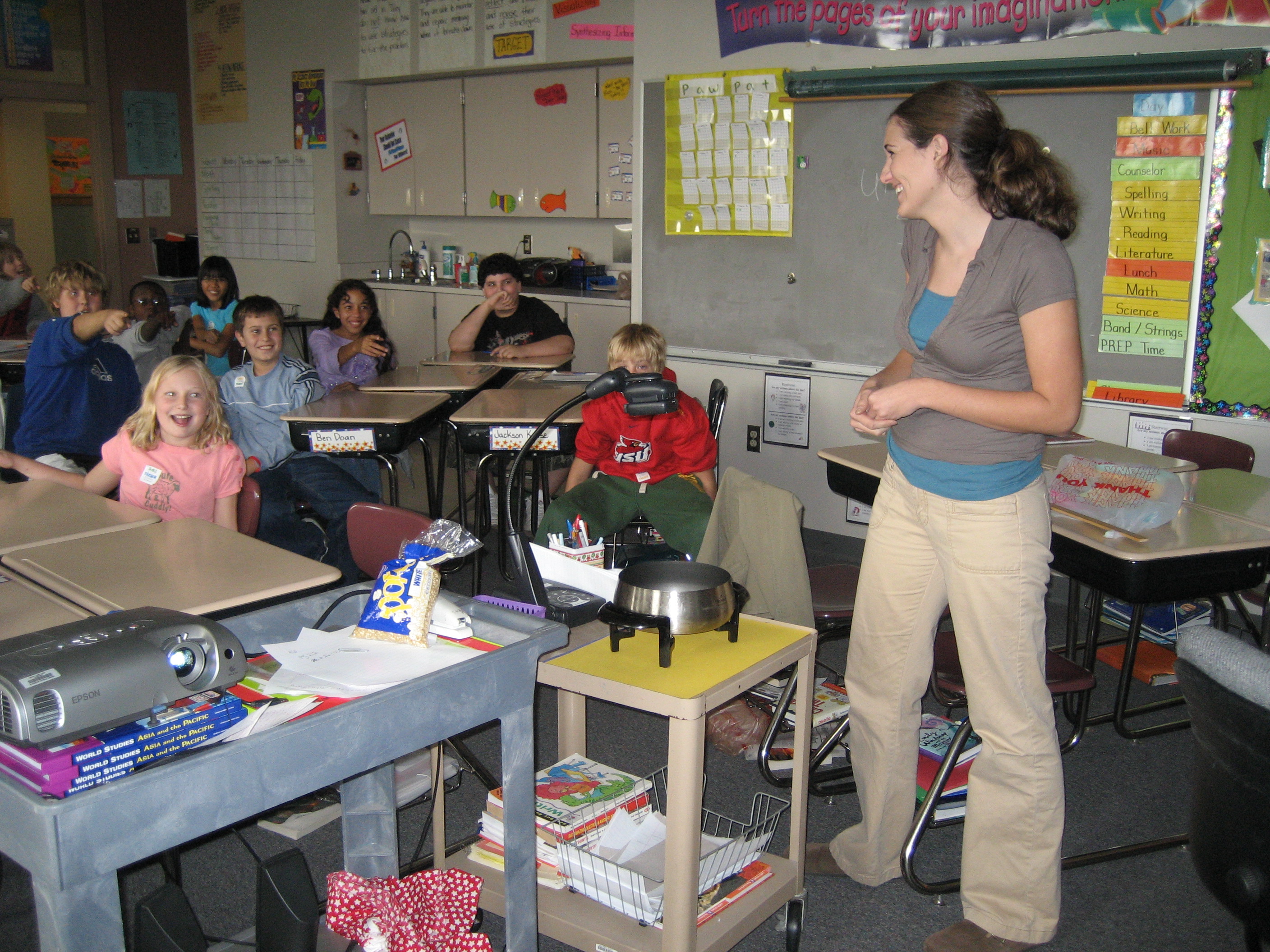
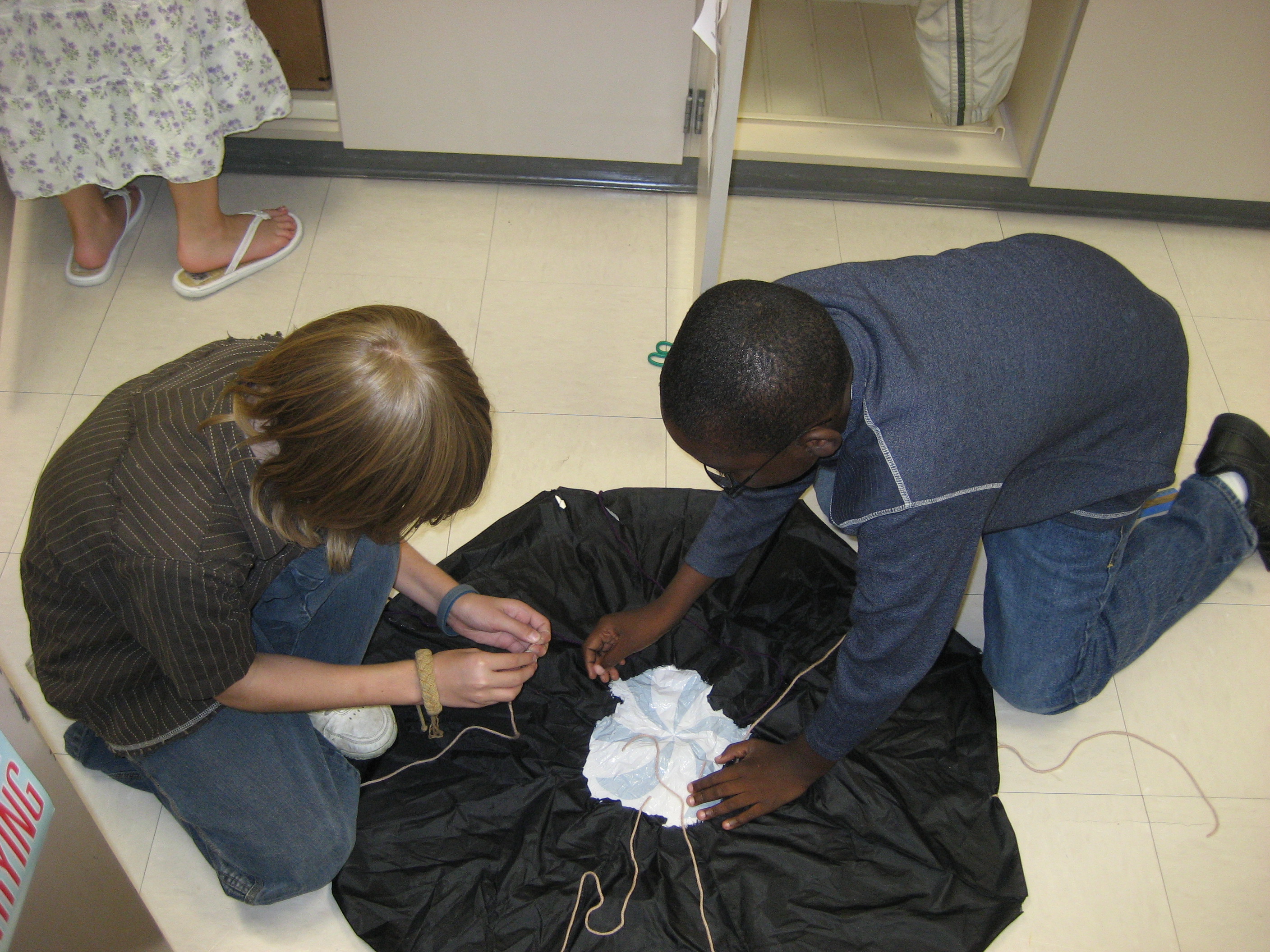
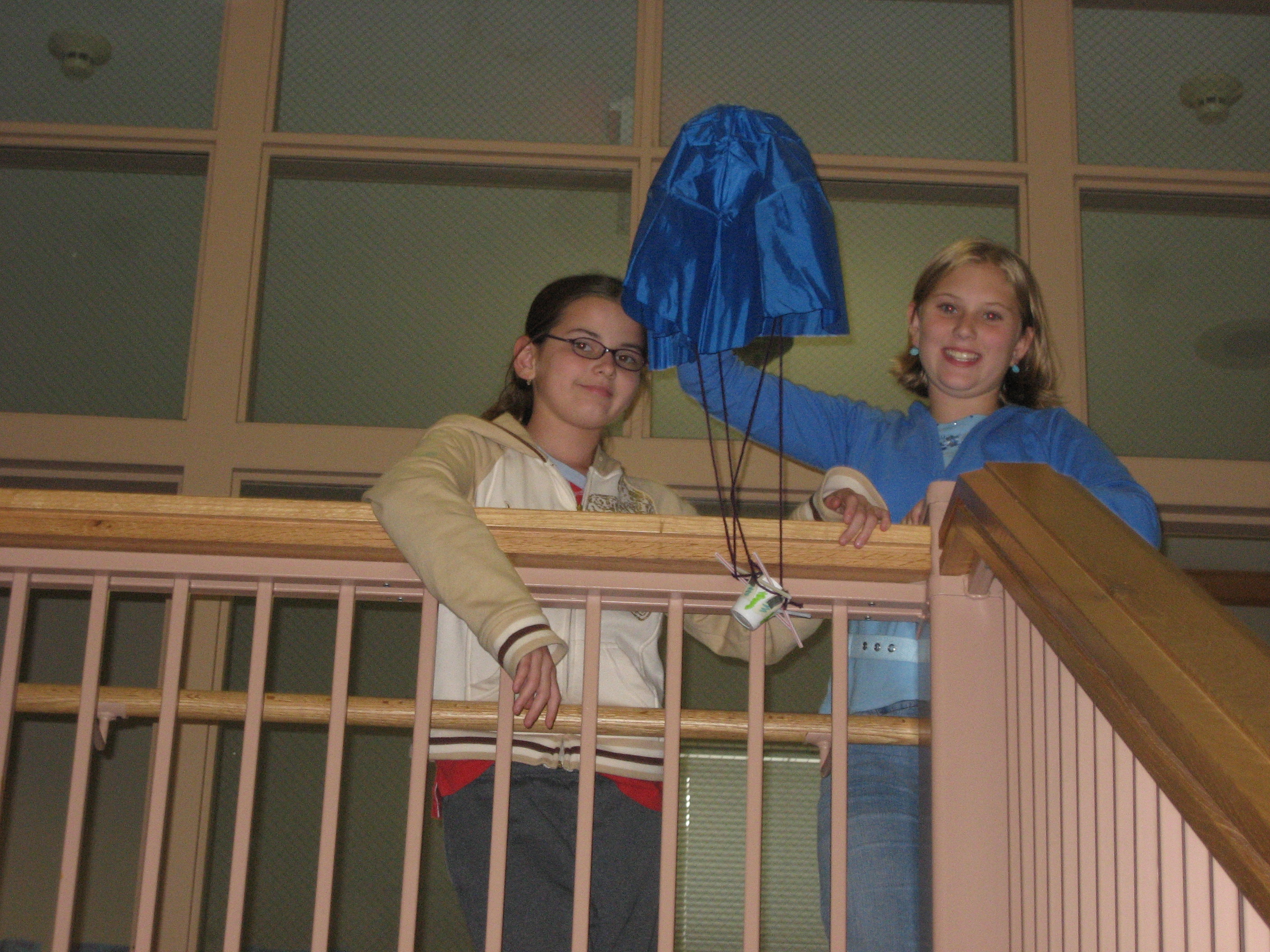
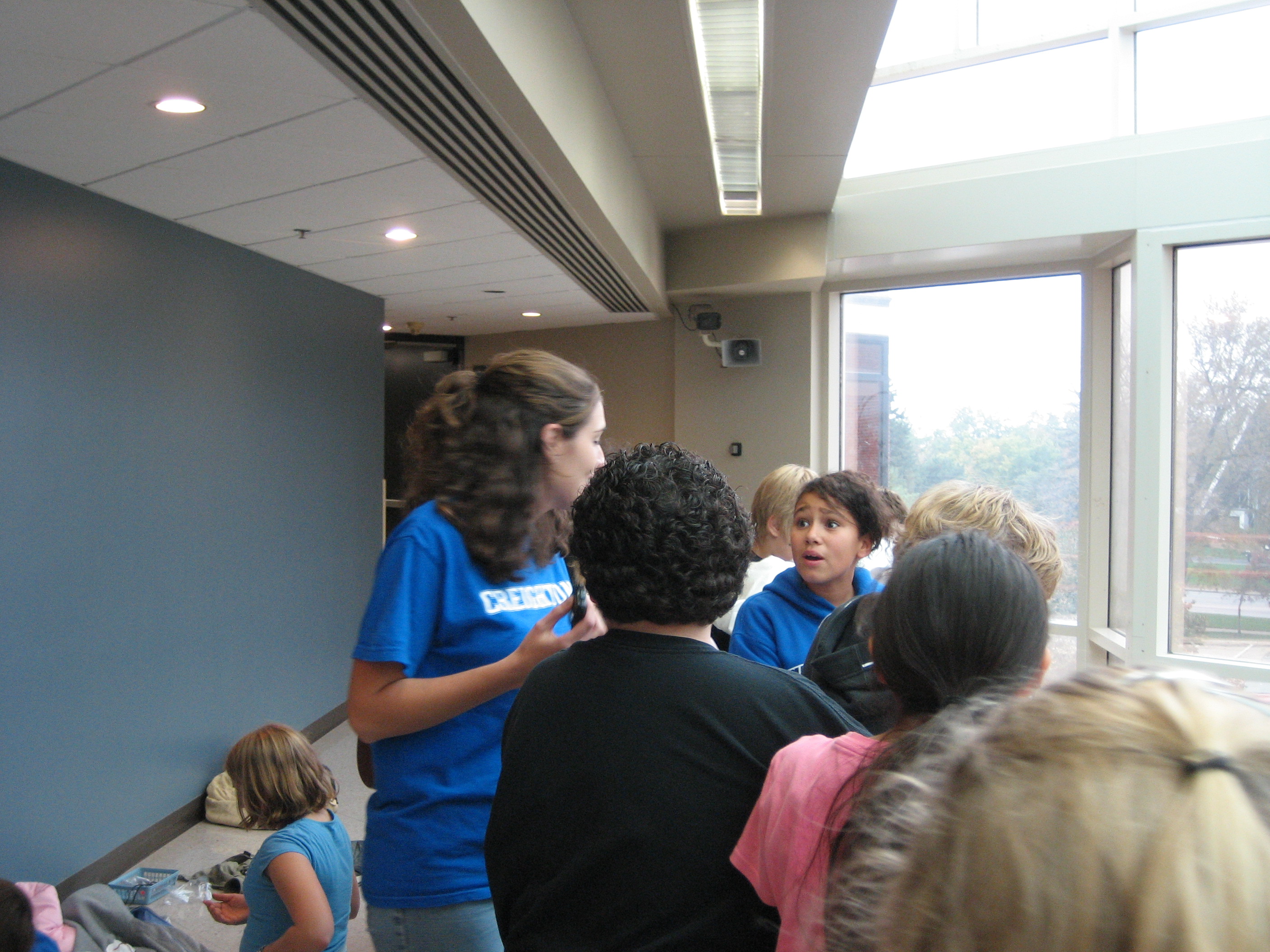
Materials needed: - One hot plate - Popcorn kernels - Oil - Broom/dustpan - 27 worksheets - Notes on inquiry Safety There is a major safety concern for this project, please be very careful when you are popping the popcorn with no lid! Make sure the kids either stand far back enough so the popcorn will not hit them or just stay in their seats. Explain to them that you know this can be very cool, but we have to remember to stand back because of safety, it could burn them. Readiness Anticipatory Set Pop only a few kernels of popcorn, and then have a group discussion on how this could be an experiment? Instruction Input (use the power point to help guide your input, i title: Poppin' Popcorn) Scientific Inquiry:The process scientists use to answer questions and learn how the world works. We use inquiry everyday!! To solve problems for everyday lives. Examples: what toothpaste to use, what friends to call, or why bananas ripe. 1. Define a problem or ask a question. 2. Form a hypothesis 3. Plan and conduct an experiment. 4. Gather and analyze the results. 5. Form a conclusion. 6. Explain your experiment to others. Forming a hypothesis A hypothesis is an educated guess or prediction based on the information you have at the time. Based on the information you have at the time, and what you think will happen. A good hypothesis is that it is stated in a way that can be tested by an experiment. EXAMPLE: the light bulb not working, and you are wondering why, and your hypothesis could be the outlet is not working, or the lamp is unplugged? Modeling Popcorn experiment Step one: Define the problem My problem is I want to know the rate of unpopped kernels to popped kernels.
Step two: Form a hypothesis. I believe that 17 out of 20 kernels will pop.
Step three: Plan and conduct an experiment (Actually do this experiment. To show them, and to make things more interesting, do not use a lid. If you have students who can not stay back, then resort to a lid). I have to set up my experiment. Experiment setup: kernels, 2 table spoons of oil, a burner. With this I have many constants (remember from vocabulary, something that cannot change), my constants are the amount of oil and what I cook it in (how hot it is). This is all stated in my experiment setup. Now I also have variables which is the amount of kernels I put into the burner. Having only one variable to change at a time is very important, because if I change the amount of kernels and the amount of oil at the same time I wouldn't have consistent data, and you wont be sure which variable caused the result you reach.
Step four: Gather and analyze the results. Discuss results. The counted kernels are # and the unpopped kernels are #.
Step five: Form a conclusion. Based on my data I feel my hypothesis is correct or incorrect, because...
Step six: Explain your experiment to others. Your experiment should be clear enough that I could pick up your paper and do your experiment just like you did. You are not exactly getting answers; you basically are narrowing down your answers. So if you can revise your experiment by changing your one variable. So I could add more or less kernels, to see if that is going to change my percent of popped kernels. Assessment Checking for Understanding Ask students: How might I form a hypothesis? Why should I change only on variable? As a group for table points, who can list all the steps to science inquiry, and explain them? Guided Practice Say to the students. So let's start over with the popcorn. Go through the inquiry steps; have them create a problem [like how far does the popcorn pop?] Actually conduct the experiment, but you have to do what they say, because you are following their steps, unless it unsafe. For changing variables examples could be, changing the oil or the heat of the pan, covering the pan. Let the kids go step by step with them. Independent Practice The students will conduct their own experiment using materials from home (and also given in class) to build a parachute. They want their parachute to float slowly and hit the target. They will have class time to build their parachute with a partner, then all the 6th graders will take their parachutes to UNO to do the final test of their parachutes. Use the inquiry worksheets to help guide them through the process. Multicultural Infusion For Miss Derby's fun fact of the day: - Popcorn probably grew first in Mexico, though it was also used in China and India hundreds of years before Columbus reached the Americas. - How high popcorn kernels can pop? Up to 3 feet in the air. Modifications For students with special need The worksheet already has (under Step two) a guider for all the students. With a special needs student add in other guiders to help them get all the parts of each step. For an example under Step three have a spot for "materials" and create a chart on there so that they can collect their data, and also have a spot for "variables" and "constant." Extensions Students can type up their inquiry steps, and then also type questions to go with their experiment, and then do a presentation to the class about their experiment. Can do a research project on popcorn. Resources
|
Pictures
|


.jpg/)