|
 |
Julie Derby |
 |
|
 |
 |
|
Writing Lesson
Date: 10/20/06 Estimated Time: 60 minutes Lesson Objectives: As a result of this activity students will: - create an entertaining and fun fairy tale. - gain an understanding of the story elements. - review the writing process. OPS Standards: 608. Apply the rules of grammar, usage, punctuation, paragraphing, and spelling in various forms of writing. 609. Use the writing process (pre-write, write, revise/edit, rewrite, publish) to communicate. [6 traits, narrative, descriptive, persuasive, expository] Nebraska State Standards: 4.2.4 By the end of the fourth grade, students will demonstrate the use of multiple forms to write for different audiences and purposes. (Write descriptive and narrative compositions about experiences, stories, people, objects and events; write poems of varied forms; write letters.) 4.2.3 By the end of the fourth grade, students will revise and edit written work for organization, content, word choice (vocabulary), voice, sentence fluency and standard English (conventions). (Revise to improve organization, content, word choice, voice, and sentence fluency; edit using standard English conventions; use legible cursive writing and/or a word processor when publishing written work; use established criteria to evaluate their own writing; form and explain their own standards or judgments of quality.)
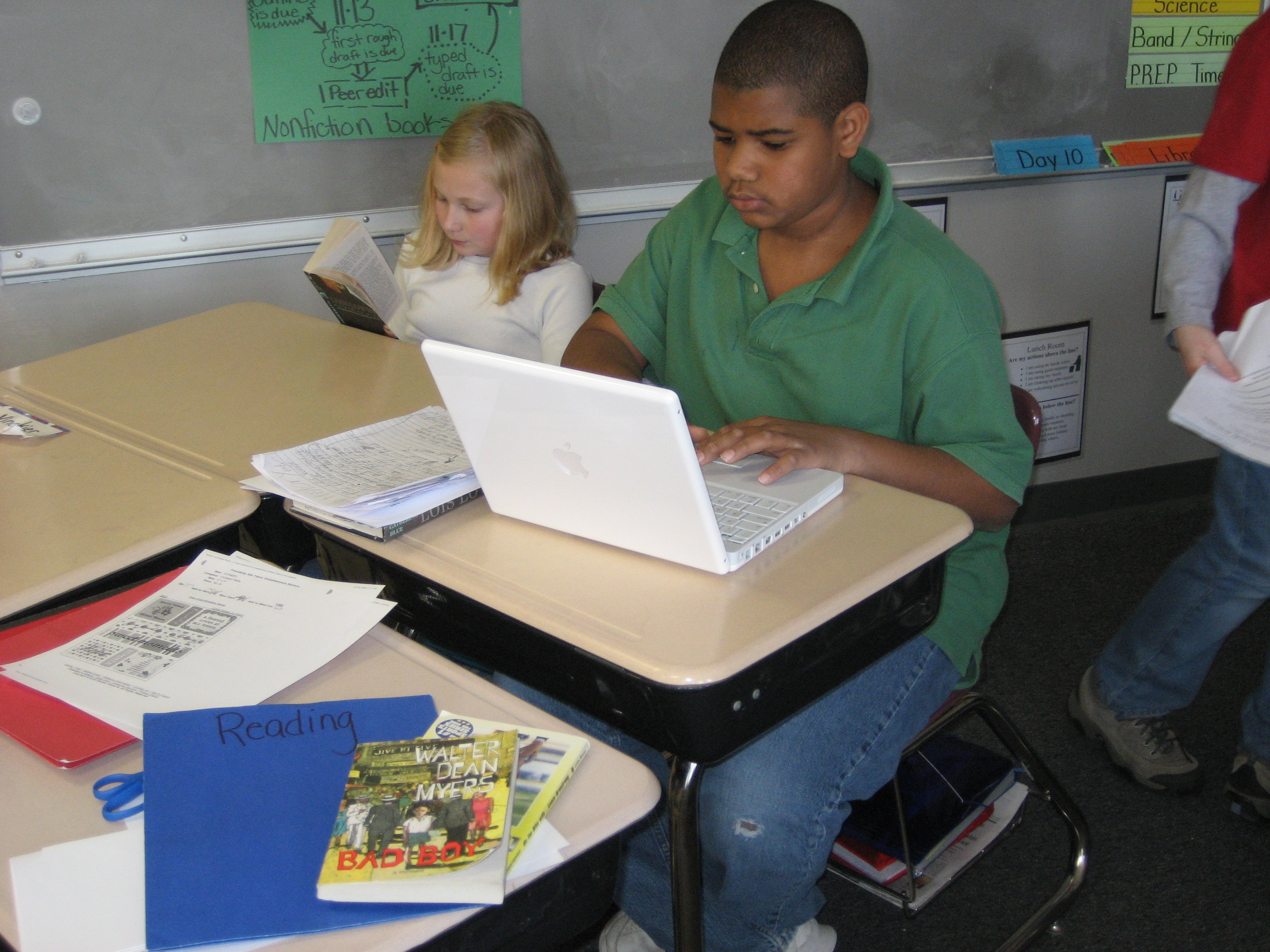
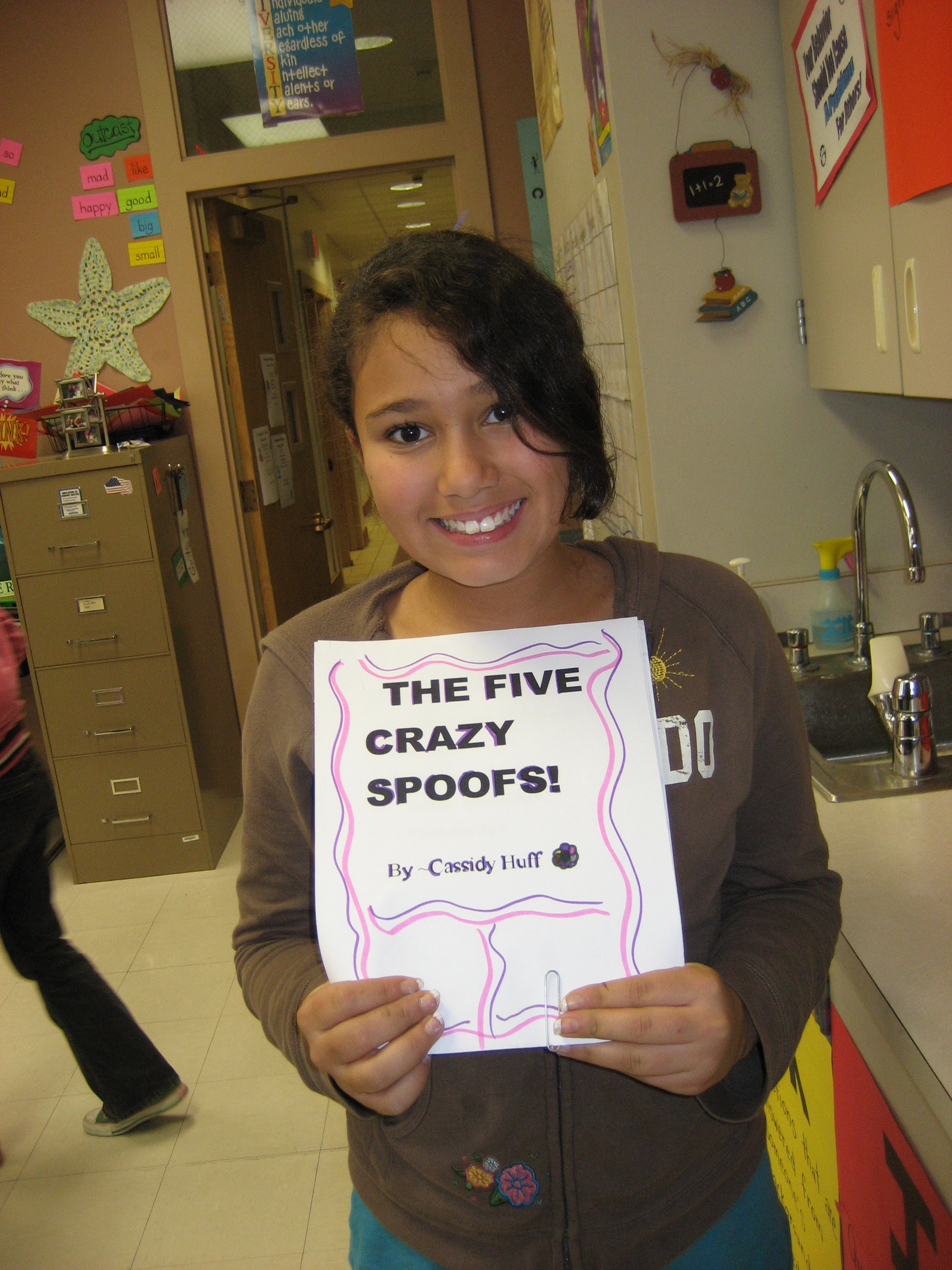
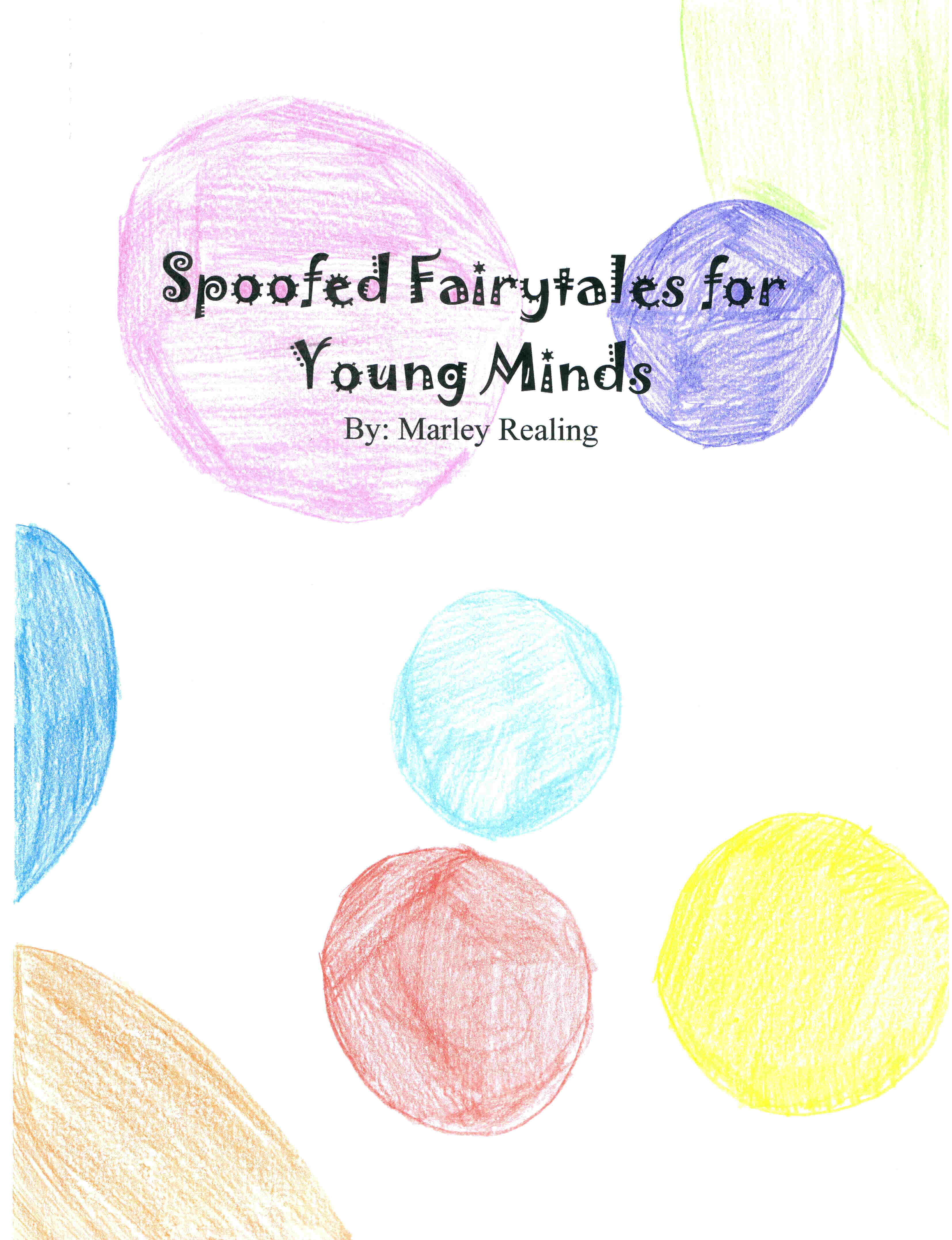
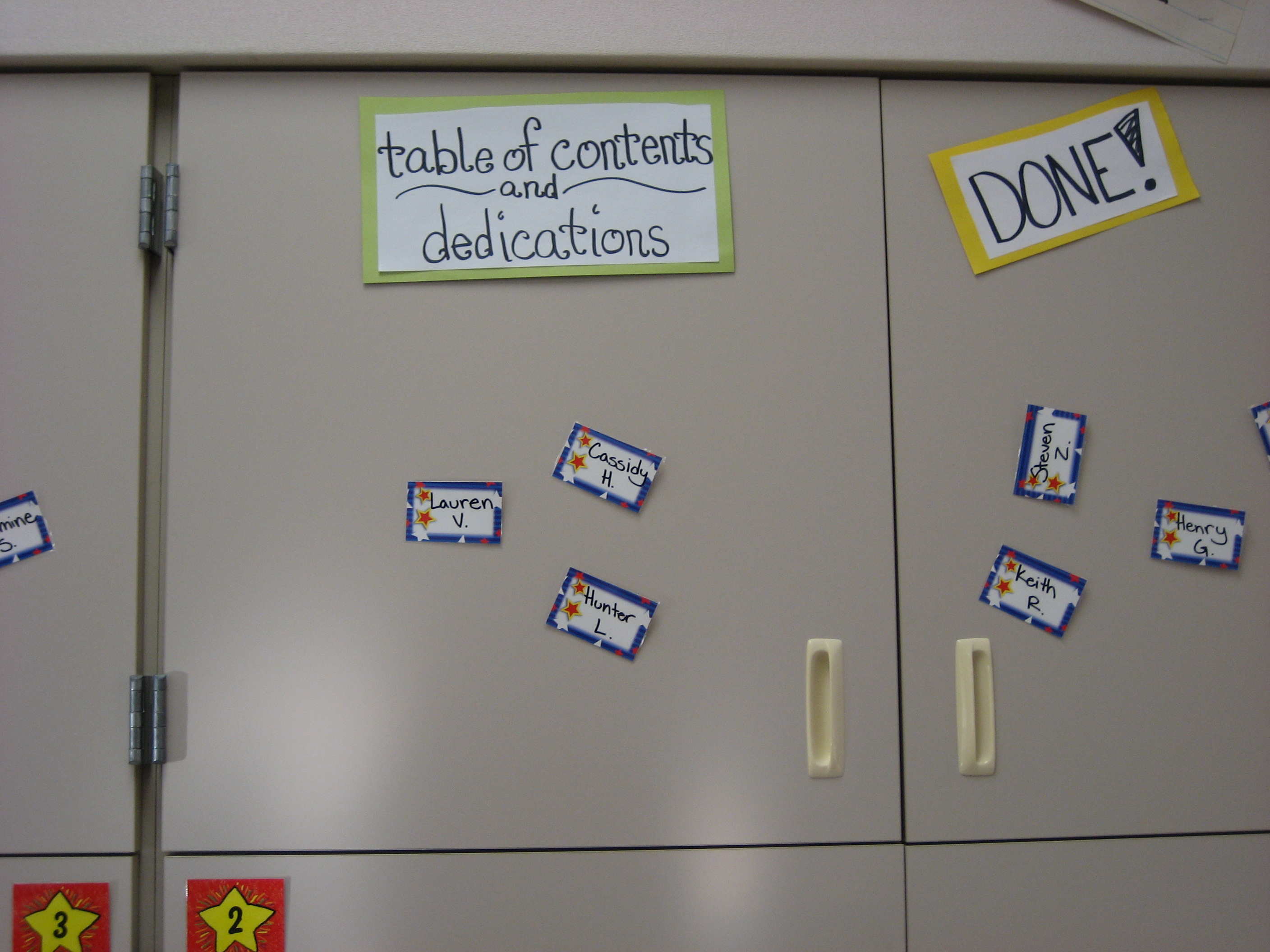
Materials needed: - The Stinky Cheese Man and Other Fairly Stupid Tales by Jon Scieszka - Print outs of other fairy tales (can be found on http://www.ivyjoy.com/fables) - Paper for Readiness Anticipatory Set Read aloud to the class The Stinky Cheese Man and Other Fairly Stupid Tales by Jon Scieszka. Start a group discussion by discussing how the stories are different and what's been changed. Ask the students what are the 4 story elements? (characters, setting, problem, and solution) Instruction Input Explain to the students what a spoof is. A spoof is a story that one changes 1 to 3 story elements (like the stories in The Stinky Cheese Man and Other Fairly Stupid Tales). If one changes all 4 elements then the story becomes a complete different story. Modeling Create a quick and easy story that you have made into a spoof. For an example: Once upon a time there was a beautiful bald princess. She was locked in the top of a tower, helpless. She needed a prince to come rescue her. One day she heard someone whistling as they were walking by. Lucky for her, it happened to be a prince. She yelled, "Dear prince please save me!" He yelled back "Rapunzel Rapunzel, let down your hair and let me climb up to save you!" "But I have no hair!" She yelled back, "Oh help!" "Then you are on your own Princess!" He stated as he walked on and then continued to whistle. Poor Rapunzel, she was locked in that tower forever, and she lived unhappily ever after. Assessment Checking for Understanding In table groups have students discuss: - What a spoof is. - What are the four story elements? - What are some fairy tales that they know? Guided Practice Allow students to start reading printed out fairy tales to gain some ideas for their own spoofs. Also to help the students with their writing process by doing a peer editing for their first draft and then a teacher edit for their second draft. Independent Practice Students will create 3 of their own spoofs and turn them into a book. Requirements: Spoofs must be one paged written, must be creative, cannot have more than 3 story elements changed, students need to have a: title page, table of contents, illustrations, and have at least 3 spoofs. Here is a suggestive time line to follow: - First draft - Peer edit - 2nd draft - Teacher check - Illustrations - Title page - Table of contents and dedications - Bind into a book! - Finished! Give
students plenty of time to complete this book.
One may modify this lesson plan to having the students create
only 1 spoof to save some time. Multicultural Infusion Discussion on how Fairy Tales come from all around the world. Like how Cinderella came from China. Different spoofs should be read daily before they work on their own spoofs. And there are plenty of spoofs to be read from other cultures. Other fairy tales/spoofs with different Cultures: Yeh-Shen (a Chinese Cinderella story) Red Onion, White Onion (an Indonesia Cinderella story) An Undone Fairy Tale by Ian Lendler Once Upon a Time, the End (Asleep in 60 Seconds) by Geoffrey Kloske Favorite Folktales from Around the World (Pantheon Fairy Tale and Folklore Library) by Jane Yolen Modifications For students with special need If some students are having difficult understanding how to change their story, there is a work sheet called Spoofs. This worksheet lays out the fairy tale and what they are changing. This will help them outline their fairy tales and see what story elements they are changing. Extensions Students can type more than on spoof. Also after they have typed 3 spoofs they may do spoof nursery rhymes, by changing them around. Resources
|
Pictures
|